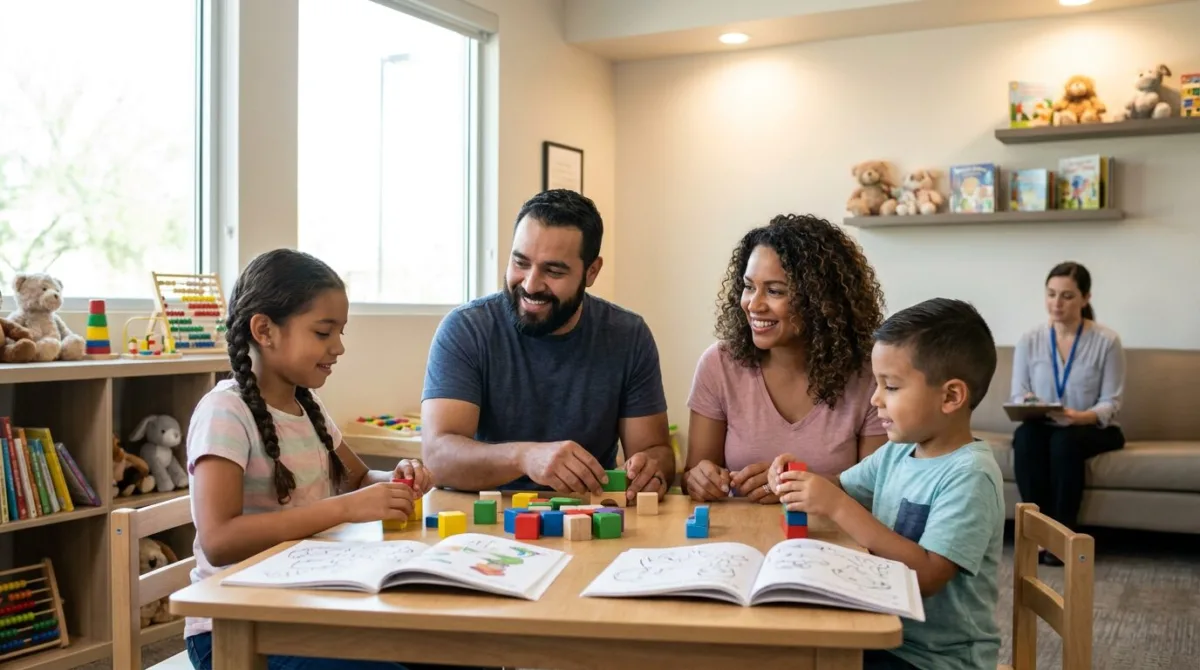

The holiday season introduces real scheduling complexity for families navigating supervised visitation. Between competing traditions at two homes, school breaks, extended family gatherings, and emotions that holidays tend to amplify, parents often need to plan further ahead and coordinate more carefully than during regular visits. This guide covers the practical and emotional considerations involved in holiday visits — from scheduling early with your provider, to coordinating with a co-parent, to helping your child move between celebrations without added stress.
Understanding Holiday Challenges in Supervised Visitation
Common Holiday Emotions
Holidays can intensify emotions for everyone involved:
- For children: Confusion about different celebrations, missing extended family, or feeling the absence of “normal” family traditions
- For visiting parents: Sadness about missing traditional holiday moments, frustration with supervision constraints, or anxiety about creating new traditions
- For custodial parents: Stress about sharing holiday time, concerns about children’s emotions, or guilt about the situation
- For extended family: Uncertainty about their role and how to support the children
Holiday-Specific Challenges
- Modified gift-giving traditions and guidelines
- Limited time for holiday activities and traditions
- Coordinating schedules around family gatherings
- Managing children’s expectations about celebrations
- Creating new traditions within supervision constraints
- Dealing with increased emotions and stress
Planning Ahead for Holiday Success
Early Communication and Coordination
Start planning holiday visits well in advance:
- Review your court order – Check for specific holiday provisions or scheduling requirements
- Communicate with your co-parent – Discuss holiday schedules and expectations early
- Contact your supervision provider – Confirm availability and any special holiday policies
- Plan for extended family – Coordinate with grandparents, aunts, uncles who want to participate
- Consider religious or cultural needs – Ensure important traditions can be accommodated
Setting Realistic Expectations
- Holidays during supervised visitation may look different than before
- Focus on quality time rather than quantity of activities
- Prepare children for modified celebrations
- Remember that creating positive memories is more important than perfect traditions
- Be flexible and adaptable to circumstances
Scheduling Considerations
- Holiday hours: Many supervision providers have modified hours during holidays
- Popular dates: Christmas Eve, Christmas Day, and New Year’s may require early booking
- Extended visits: Some providers offer longer holiday visits with advance notice
- Multiple celebrations: Consider spreading holiday activities across several visits
Creating Meaningful Holiday Traditions
Age-Appropriate Holiday Activities
For Toddlers and Preschoolers (Ages 2-5)
- Simple holiday crafts (paper snowflakes, handprint ornaments)
- Reading holiday stories together
- Singing holiday songs or nursery rhymes
- Playing with holiday-themed toys or puzzles
- Simple baking activities (decorating pre-made cookies)
- Holiday-themed games like “pin the nose on the reindeer”
For School-Age Children (Ages 6-12)
- More complex holiday crafts and decorations
- Baking or cooking holiday treats together
- Creating holiday cards for family members
- Holiday-themed board games or activities
- Learning about holiday traditions from different cultures
- Planning acts of kindness or charity activities
For Teenagers (Ages 13+)
- Discussing holiday traditions and their meanings
- Collaborative meal planning and preparation
- Creating holiday playlists or sharing favorite holiday movies
- Volunteering for holiday charity activities (if permitted)
- Planning future holiday traditions together
- Respecting their input on how they want to celebrate
New Traditions Within Supervision Guidelines
- Holiday photo sessions: Create special holiday photos during visits
- Advent calendars: Small daily activities or treats during December visits
- Holiday journals: Write about holiday memories and hopes together
- Service projects: Focus on giving back during the holiday season
- Cultural exploration: Learn about holiday celebrations from around the world
- Time capsules: Create holiday memories to open in future years
Gift Guidelines and Considerations
- Check supervision policies: Many providers have guidelines about gifts and their size/value
- Court order restrictions: Some orders specify limits on gift-giving
- Practical considerations: Gifts must be appropriate for the visitation setting
- Safety requirements: All gifts must meet safety standards for the child’s age
- Transportation issues: Consider how gifts will get home with the child
Meaningful Gift Ideas
- Experience gifts: Plan special activities to do together during visits
- Handmade items: Create something special together during the visit
- Books: Holiday stories or books about your shared interests
- Art supplies: Materials for ongoing creative projects
- Photo albums: Collect memories from your visits together
- Small tokens: Meaningful items that don’t violate guidelines
Alternative Gift-Giving Approaches
- Focus on “gifts of time” – special one-on-one activities
- Create coupon books for future visit activities
- Make donations to charity in your child’s name
- Plan surprise activities or games during visits
- Give the gift of new traditions and memories
Managing Holiday Emotions
Supporting Your Child’s Emotional Needs
- Acknowledge feelings: Let children express sadness, confusion, or excitement
- Focus on positives: Highlight what you can do together rather than limitations
- Maintain stability: Keep some traditions consistent even if the setting changes
- Create anticipation: Help children look forward to holiday visits
- Be present: Focus entirely on the time you have together
Managing Your Own Emotions
- Grieve the change: Acknowledge that holidays feel different now
- Find support: Connect with friends, family, or support groups
- Practice gratitude: Focus on the time you do have with your children
- Self-care: Take care of your physical and emotional needs
- Professional help: Consider counseling if holiday stress becomes overwhelming
Supporting Co-Parenting During Holidays
- Communicate respectfully about holiday plans
- Be flexible when possible about scheduling
- Share positive holiday moments with the other parent
- Avoid competing over gifts or celebrations
- Focus on what’s best for the children
Specific Holiday Considerations
Christmas and Hanukkah
- Plan for gift exchange within guidelines
- Create special decorations together
- Share the religious or cultural significance
- Coordinate with extended family celebrations
- Consider multiple mini-celebrations
Thanksgiving
- Focus on gratitude and what you’re thankful for
- Share family history and traditions
- Prepare special foods together if possible
- Create gratitude projects or journals
- Discuss the importance of family
Birthdays
- Plan special birthday activities within visit time
- Create birthday traditions that work in supervised settings
- Focus on celebrating your child’s growth and achievements
- Coordinate with the other parent about larger celebrations
- Make the child feel special and loved
New Year’s
- Reflect on positive moments from the past year
- Set goals and hopes for the coming year
- Create resolutions together
- Focus on new beginnings and fresh starts
- Celebrate progress in your relationship
Strategies for Holiday Success
Before Holiday Visits
- Plan activities in advance
- Gather necessary supplies or materials
- Coordinate with your supervision provider
- Prepare emotionally for the visit
- Set realistic expectations
During Holiday Visits
- Stay focused on your child and the present moment
- Be flexible if planned activities don’t work out
- Take photos to capture memories (if permitted)
- Engage fully in activities and conversations
- Express gratitude for the time together
After Holiday Visits
- Process the experience and emotions
- Document positive moments and memories
- Plan for future holiday visits
- Share appropriate updates with the other parent
- Celebrate the progress you’re making
Professional Holiday Support
Supervised Visitation LLC works with families throughout the holiday season to maintain consistent, professional supervision that keeps children safe and visits productive.
Our Holiday Services
- Extended holiday hours: Special scheduling to accommodate holiday needs
- Holiday activity planning: Suggestions and support for age-appropriate celebrations
- Flexible policies: Reasonable accommodations for holiday traditions
- Family coordination: Helping families plan successful holiday visits
- Emotional support: Understanding and guidance during emotionally challenging times
Making Holiday Memories
We’ve helped thousands of families create beautiful holiday memories during supervised visitation. With proper planning, realistic expectations, and a focus on connection, holiday visits can become treasured traditions for your family.
Supervised Visitation LLC provides professional supervised visitation and exchange services for families in Arizona and Utah, including during holiday periods. Contact our team early in the season to discuss scheduling and ensure your holiday visits are planned well in advance.