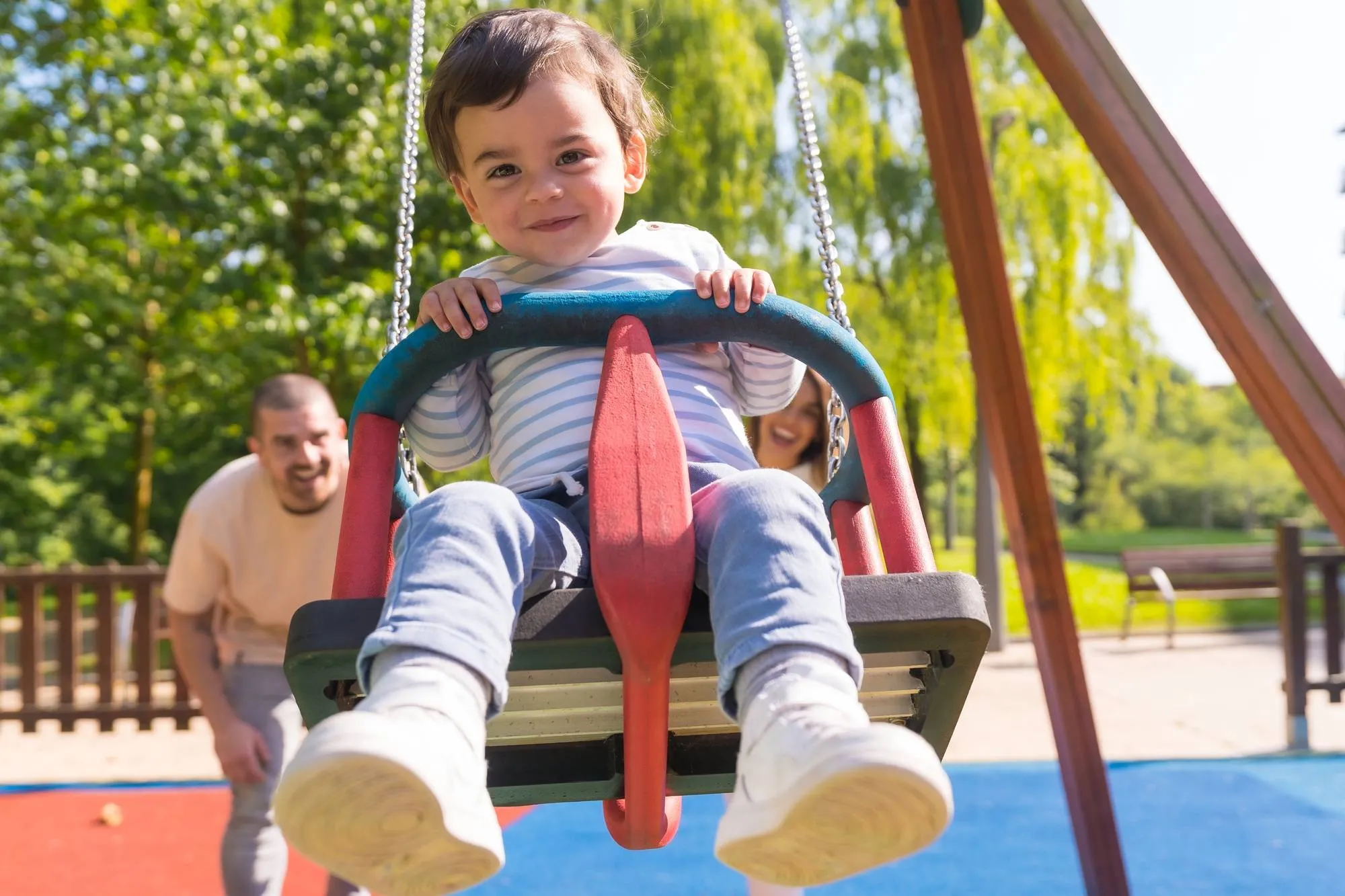
Supervised visitation time is precious. While the circumstances may be challenging, these moments offer opportunities to create lasting positive memories that strengthen parent-child bonds and support healthy development. With intention and focus, every visit can become a treasured memory.
The Power of Positive Memories
Positive memories serve as emotional anchors for children. During times of transition or difficulty, children draw on these good memories for comfort, security, and reassurance about their relationships. Creating positive experiences during supervised visits:
- Reinforces the parent-child bond
- Builds children’s confidence and self-esteem
- Provides emotional resources during challenging times
- Demonstrates consistent care and love
- Creates shared stories and experiences
Being Fully Present
The foundation of positive memories is presence—being completely engaged in the moment with your child.
Put Away Distractions:
- Silence your phone or put it away entirely
- Don’t watch the clock constantly
- Avoid thinking about past conflicts or future worries
- Give your child your undivided attention
Active Engagement:
- Make eye contact when your child speaks
- Listen actively to what they’re saying
- Show genuine interest in their thoughts and feelings
- Respond with enthusiasm to their ideas
- Mirror their energy and emotions appropriately
Creating Tradition and Ritual
Establishing small traditions during visits gives children something to look forward to and creates a sense of continuity.
Simple Visit Traditions:
- A special greeting or handshake
- Reading a favorite book series together
- Working on an ongoing project (puzzle, craft, story)
- Singing a particular song
- Playing a special game
- Sharing a snack or treat that’s “your thing”
Why Traditions Matter:
Traditions provide predictability and comfort. They signal to children that they belong, that they’re special to you, and that this relationship has continuity beyond individual visits.
Making the Ordinary Special
You don’t need elaborate activities to create positive memories. Often, the simplest moments become the most cherished.
Ways to Add Magic:
- Give full attention to simple activities
- Add humor and playfulness
- Acknowledge milestones and accomplishments
- Create inside jokes or special phrases
- Notice and celebrate small things
- Use your child’s name frequently and lovingly
Examples of Simple Special Moments:
- Having a “picnic” with snacks on a blanket
- Making up stories together
- Drawing pictures for each other
- Teaching your child a skill you have
- Learning something new together
- Telling stories about when they were little
Capturing Memories (When Appropriate)
If facility rules allow, consider these ways to preserve memories:
Memory Keepers:
- Draw pictures together and save them
- Keep a visit journal together
- Create a scrapbook of activities
- Make crafts that your child can take home
- Write stories or letters together
- Build a photo album (with supervisor approval)
Verbal Memory Making:
Even without physical keepsakes, you can create lasting memories through:
- Telling and retelling favorite stories
- Creating traditions around certain phrases or jokes
- Talking about past visits and favorite moments
- Making plans for future activities together
Emotional Honesty and Connection
Positive memories aren’t about pretending everything is perfect. They’re about authentic connection.
Acknowledging Feelings:
- Validate your child’s emotions, even difficult ones
- Be honest about missing them
- Express your love clearly and often
- Acknowledge that the situation is hard
- Reassure them that difficult feelings are normal
Appropriate Boundaries:
- Don’t burden children with adult problems
- Avoid speaking negatively about the other parent
- Keep conversations age-appropriate
- Focus on the present moment together
- Maintain positivity without being dismissive of real feelings
Recovery from Difficult Moments
Not every moment will be perfect, and that’s okay. How you handle challenges matters.
When Things Don’t Go as Planned:
- Stay calm and regulate your own emotions
- Model healthy frustration management
- Apologize sincerely if you make a mistake
- Repair ruptures quickly
- Redirect to positive activities
- Don’t give up on the visit
Learning from Challenges:
- What can you do differently next time?
- Did you bring backup activities?
- Was your child tired, hungry, or overwhelmed?
- Do you need to adjust expectations?
- Can you ask the supervisor for suggestions?
Age-Appropriate Memory Making
For Young Children (0-5):
- Focus on sensory experiences (textures, sounds, movements)
- Use simple, repetitive activities they can anticipate
- Physical affection (if allowed): hugs, lap time, hand-holding
- Simple games and songs
- Lots of verbal reassurance and affection
For School-Age Children (6-12):
- Engage in activities matching their interests
- Create ongoing projects
- Have conversations about their daily life
- Play games they can win sometimes
- Help with homework or teach them something
- Make them laugh
For Teenagers (13+):
- Respect their need for autonomy
- Engage in their interests, even if they’re unfamiliar to you
- Have real conversations about topics they care about
- Don’t force affection or activities
- Be authentic and acknowledge the reality of the situation
- Support their goals and interests
The Visit Goodbye
How you end a visit impacts the memory of the entire experience.
Positive Goodbyes:
- Acknowledge that saying goodbye is hard
- Express love clearly
- Remind them of when you’ll see them again
- Give them something to look forward to
- End with a special goodbye ritual
- Stay positive even if you’re sad
- Don’t make the child responsible for your emotions
Looking Forward:
- “I can’t wait to see you next time!”
- “I’ll be thinking about you this week.”
- “I love you so much.”
- “Next time, let’s…” (give them something to anticipate)
Between Visits
Keeping the connection alive between visits reinforces positive memories.
If Communication is Allowed:
- Send cards or letters (if permitted)
- Share your thoughts about your time together
- Reference inside jokes or traditions
- Express love and pride
- Look forward to the next visit
Even Without Communication:
Your child knows you’re thinking about them. Trust that the positive memories you’re creating during visits last beyond the visit itself.
What Children Remember
Children remember:
- How you made them feel
- Whether you were truly interested in them
- Times you laughed together
- When you listened to them
- That you showed up consistently
- Your patience and kindness
- The love you expressed
They often don’t remember the specific activities as much as the feeling of being loved, valued, and special to you.
Support for Creating Positive Memories
Supervised Visitation LLC is committed to helping families create the best possible supervised visit experiences. We provide:
- Activity resources and suggestions
- Age-appropriate toys and games
- Comfortable, welcoming environments
- Supportive supervision
- Coaching on effective parent-child interaction
- Resources for parents between visits
Contact us to learn more about how we support positive memory-making during supervised visitation. Every visit is an opportunity to create lasting bonds and treasured memories.